Nanotechnology to Encode living biosystems
We are bioanalytical chemists, materials scientists, nanotechnologists, and bioengineers innovating multiplexed molecular imaging and sensing platforms for living biological systems.
We encode in vivo biosystems with vibrational spectral fingerprints by engineering surface-enhanced Raman spectroscopy (SERS) platforms.
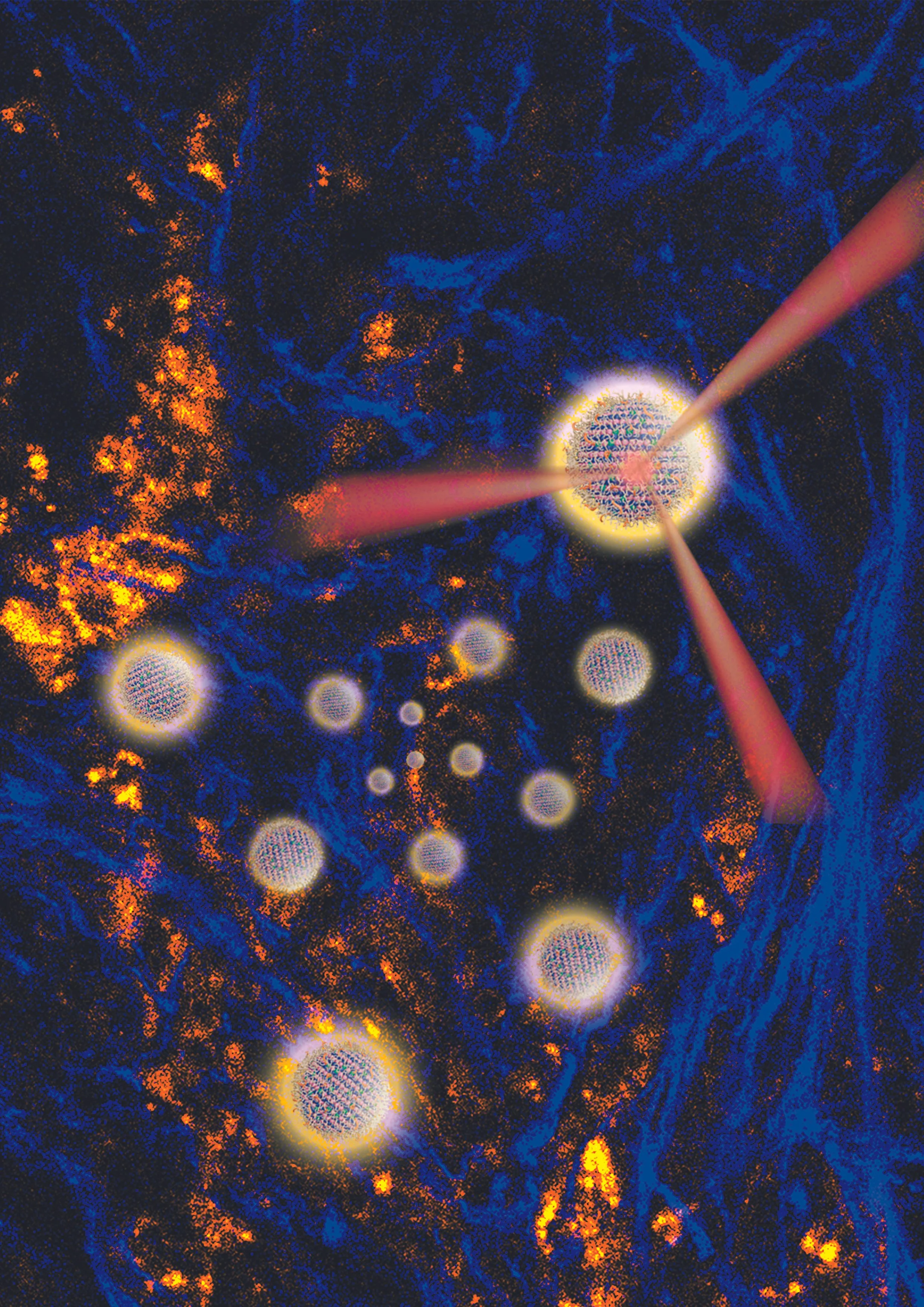
Our lab develops Raman spectroscopy platforms that can both write and read the molecular language of living systems. We encode biosystems with SERS-engineered vibrational fingerprints and decode their native spectral fingerprints to reveal underlying molecular profiles. These engineered vibrational codes can achieve sensitivity comparable to near-infrared fluorescence while offering much greater multiplexing capability. Through this approach, we are establishing super-multiplexed imaging and sensing platforms to track cancer and immune protein biomarkers in live preclinical models, enabling us to study immune responses, inflammation, and cancer heterogeneity.
Surface-Enhanced Raman Spectroscopy (SERS) for Multiplexed Molecular Imaging & Sensing
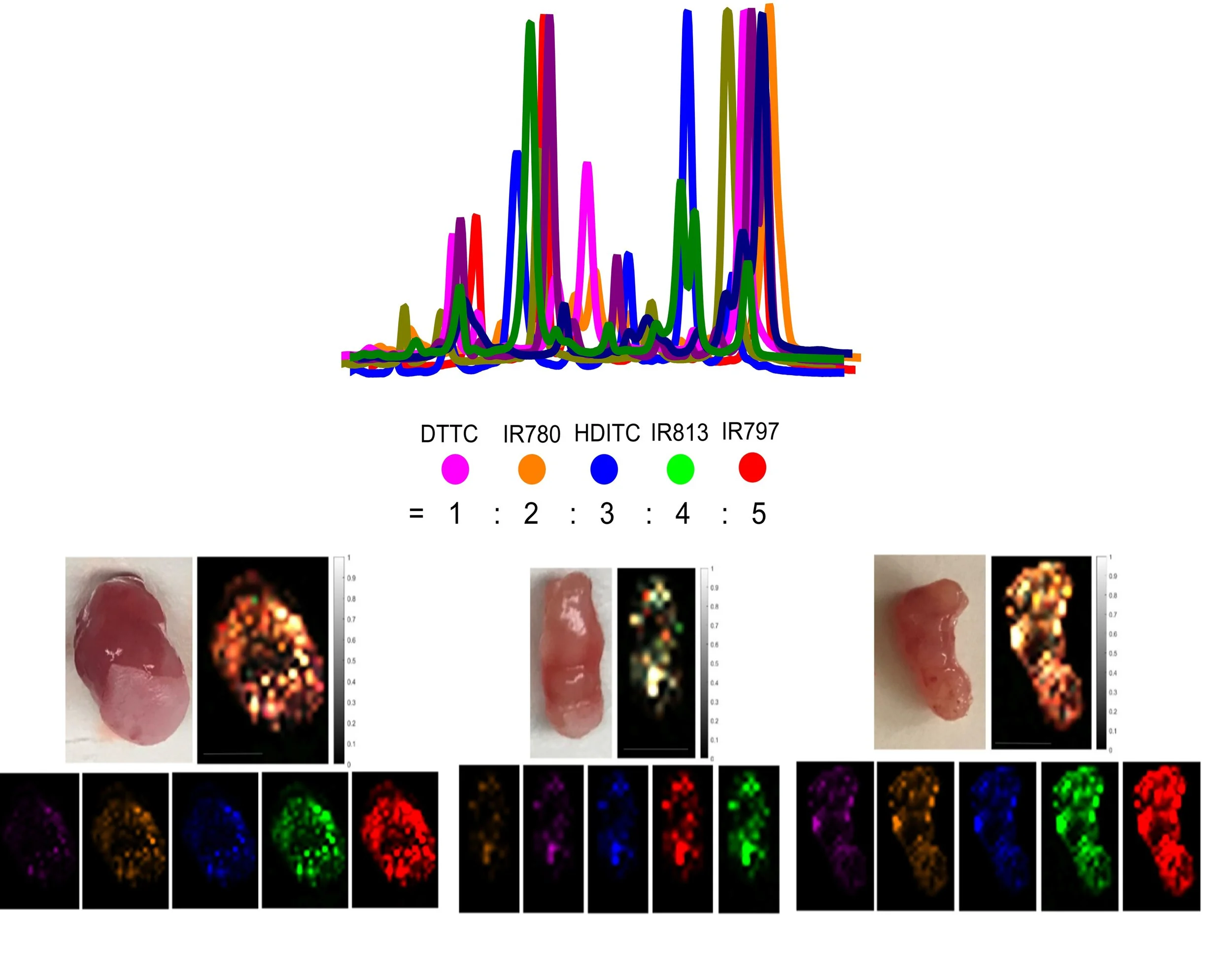
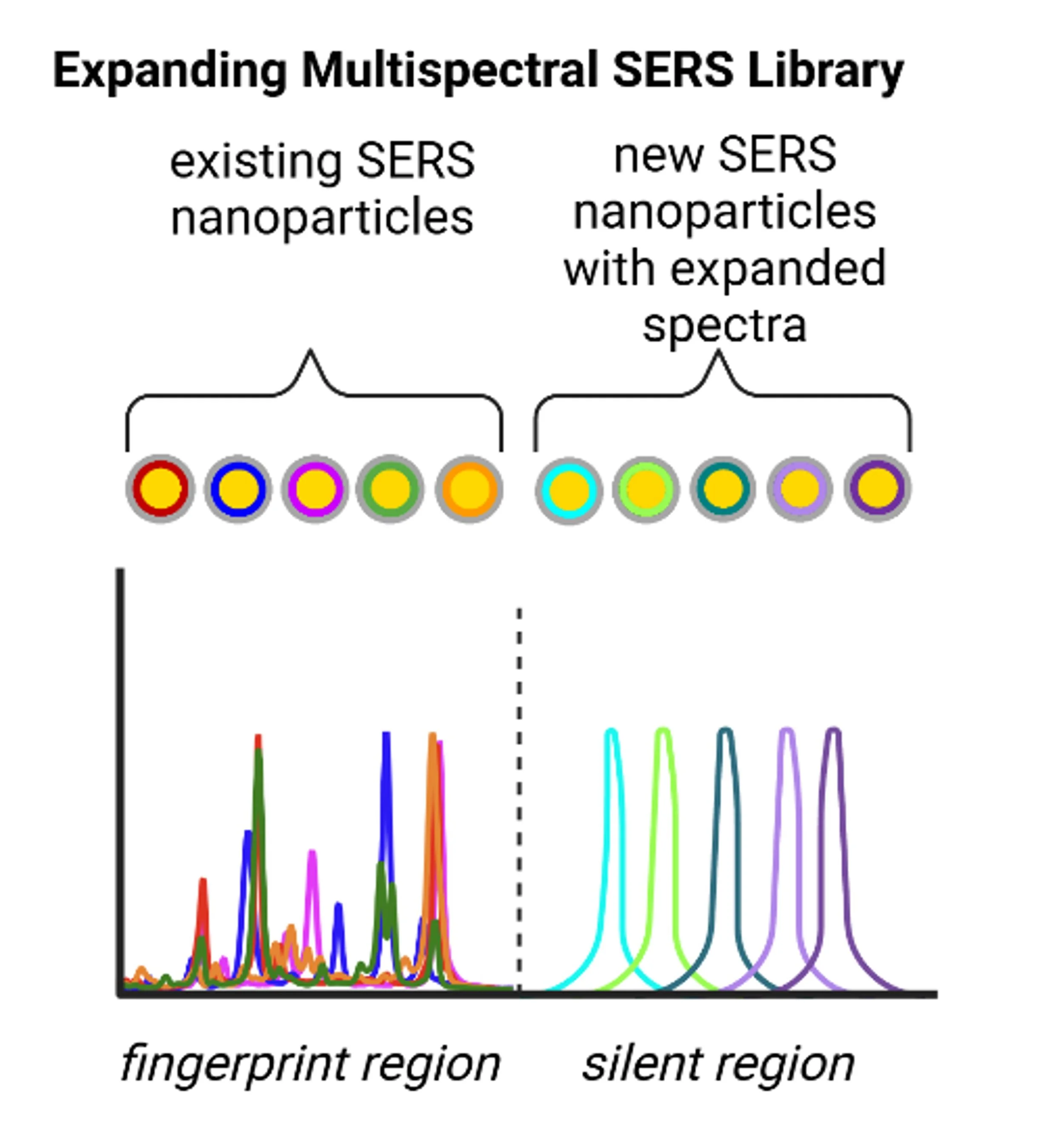
We combine molecular design, density functional theory, and nanoparticle synthesis to create spectrally orthogonal signals in the Raman-silent region that can be distinguished from complex biological backgrounds for ultrasensitive biological imaging and sensing.
Bioorthogonal Spectroscopy
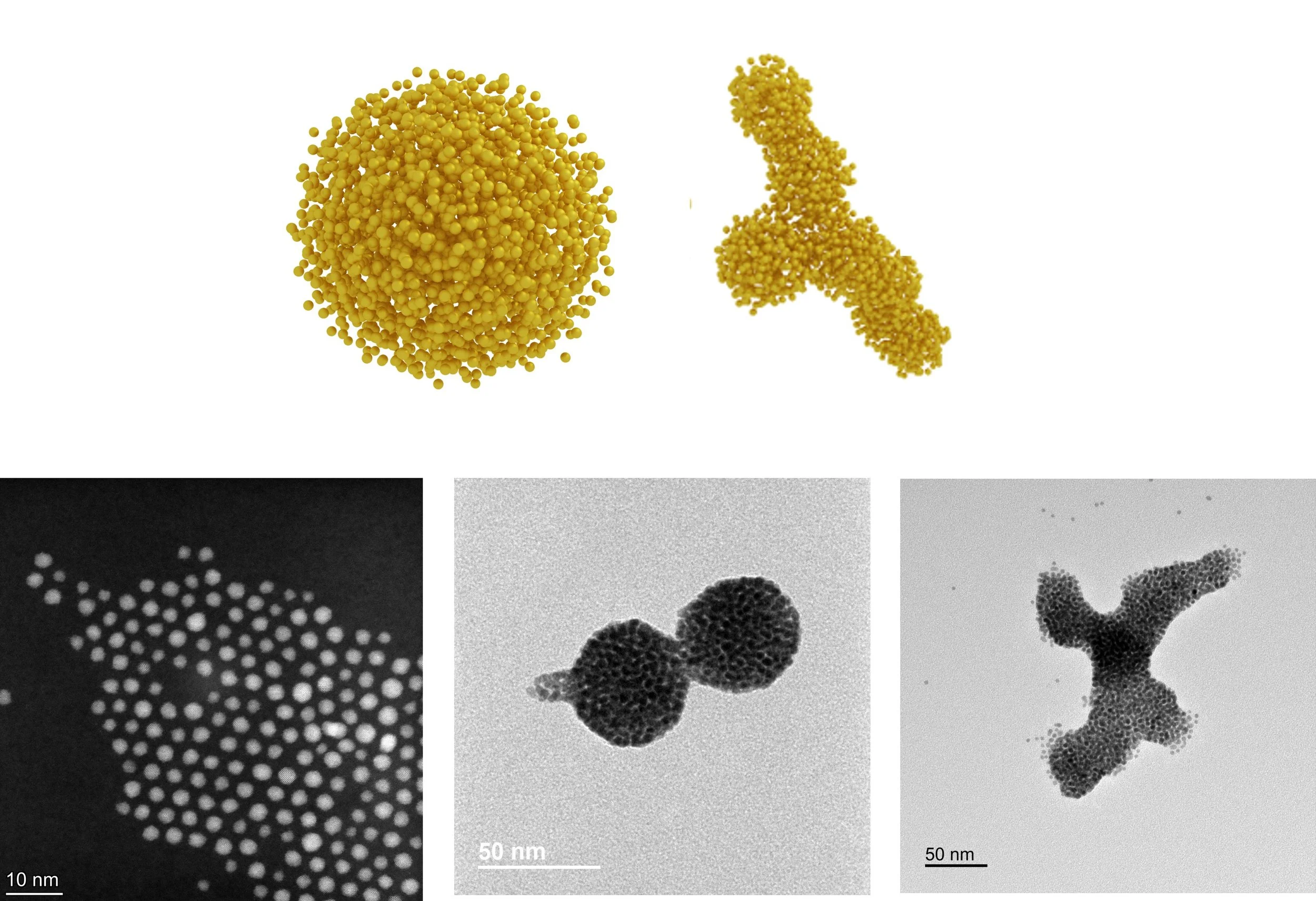
Translating SERS to human applications presents important materials challenges, particularly biocompatibility and clearance of plasmonic gold nanoparticles. To address the challenges, we assemble atomic gold clusters into plasmonic supraclusters that could ultimately replace larger plasmonic nanoparticles. We also investigate how nanoparticle synthetic chemistry governs their assembly, optical properties, and surface chemistry.
Plasmonic Nanoparticle Chemistry

Our research is supported by